

Lower Back Pain Knowledge
Lower back pain is a condition affecting many people in the world; it is estimated that 80% of all people are likely to experience backache at one point in life. Some causes for this condition include poor posture, strained muscles, and some other serious diseases.
Whatever the causes, there is a need to ensure that relief is gotten from pain, including sleep. After all, restful sleep is so important regarding recovery, general health, and well-being.
Learning how different sleep positions affect your body is crucial for people who have problems with their lower back.
There is a very strong correlation between sleep and pain; sometimes, a good night’s sleep can clear up one’s discomfort, while poor sleeping posture can further inflame existing pain.
Thus, finding the best sleeping positions for lower back pain is going to be of vital importance to your journey of recovery. By trial and error, one can work out the best that will suit their particular case.
The Best Sleeping Positions

1. The Fetal Position
The best sleeping positions with lower back pain include a fetal position. Sleeping on your side with knees pulled toward the chest relieves some of the pressure on your spine. This is the natural flexing position for your spine, which may create more neutral alignment and can be very beneficial for people that suffer from herniated discs or spinal stenosis.
In fact, an article published in the Mayo Clinic claims that sleeping on one’s side relieves pressure on the intervertebral discs, so it can be ideal for people with lower back pain.
However, in the fetal position, the neck and spine alignment is essential. A soft, supportive pillow between your neck and shoulder can complement this position even more. Otherwise, you might find yourself trying to contort your head in an uncomfortable manner to position it right, thus adding more discomforts (How Your Sleep Positions Affect Your Neck: John Regan, MD: Orthopedic Spine Surgeon, 2024).
This position has to be optimized by turning sides from time to time to balance the body so as not to lead to muscle imbalance.
2. The Reclined Position
Among the recommended positions comes sleeping in a reclined position. This will help to relieve pressure off your lower back since your legs will be propped up, a good reliever of lower back pain (UCF Health, 2023).
If you have an adjustable bed, then it would be very easy to maintain this position. Reclined at an angle, you would take pressure off the spine, allowing better circulation.
If one does not have an adjustable bed, this position can easily be replicated through other means. Pillows placed under the knees while in a supine lying position will elevate the legs, allowing for a more natural curve in the lumbar spine.
Sleeping on one’s back completely flat irritates back pain for many, though, so adjustment of position as needed can indeed contribute to a more restful night.
Common-Sense Strategies That Relieve Back Pain
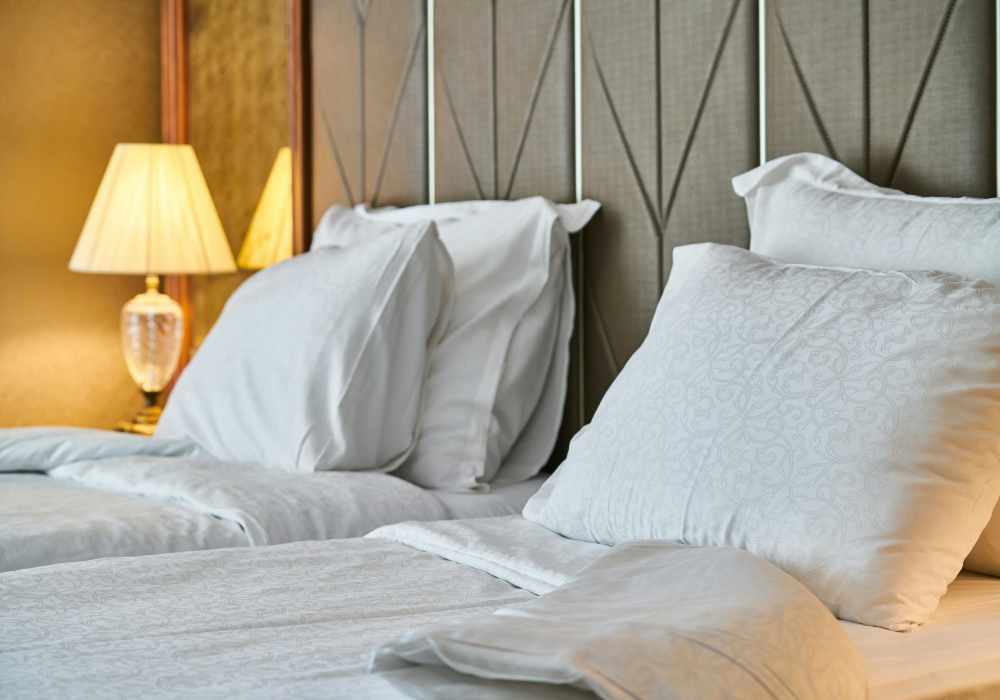
1. Get the Right Mattress and Pillow
One of the first things that most people don’t give importance to while setting up a sleeping position is the mattress and pillow. A wrong mattress will not give the correct support, and irritability will increase.
Most often, memory foam and hybrid mattresses have been highly recommended because these contour with the shape of the body and provide support for the same. Similarly, a pillow that cushioned the natural curve of your neck might be more emblematic of general sleep quality.
A medium-firm mattress with a supportive pillow can make a big difference in preventing back pain.
And besides, you need to replace your mattress and pillows every now and then. Mattresses wear out over a period and eventually lose their supportive characteristics.
Since bad sleep surfaces can lead to an increase in back pain, this is a very important hygiene practice when sleeping. An effective mattress serves for about 7 to 10 years before one may consider renewal for peak support.
2. Gentle Stretching and Strengthening Exercises
Incorporation of daily activities inclusive of light stretching and strengthening exercises can greatly help in trying to lessen lower back pain. Regular movement improves circulation of the blood, aids in the recovery of muscles, and generally encourages better posture.
Several simple stretches will be very useful to perform in order to improve flexibility of hip flexors, hamstrings, and erector spinae to reduce muscle tension.
Among these, especially yoga and Pilates have been able to alleviate pain in the lower back. As such, studies demonstrate how people who practice regular yoga had reduced pain and enhanced functionality (Yoga Eases Moderate to Severe Chronic Low Back Pain, 2017).
This way, incorporating regular activity right alongside proper sleeping positions will round out a regimen aimed at eradicating lower back pain and promote not only better sleep but a healthier lifestyle all around.
The Importance of Professional Guidance
Whereas identifying positions to sleep with lower back pain can greatly increase your quality of sleep, it is important to note that you should also seek advice from professionals in case your pain does not subside or even worsens.
Professional consultation by a healthcare provider or a physical therapist might provide more personalized strategies for dealing with symptoms much more effectively. They may suggest treatments that may include medication, physical therapy, or even lifestyle alterations-the choice of treatment depends on the specific situation at hand.
Furthermore, a physician will be in a position to rule out other critical conditions that may be the cause of your pain. It is important to know that failure to act on your persistent back pain might result in greater problems afterward and should be addressed as such.
Your cooperation with your healthcare team could turn out to be just about your taking responsibility for yourself and, correspondingly, give you the tools and experience you will need for a life without pain.
Conclusion
Living with lower back pain is a consideration of how one goes about living daily life, even sleeping. The best position to sleep with lower back pain-either through the fetal position or reclined-will go a long way in improving the quality of your sleep.
Combining these strategies with common-sense approaches, such as choosing the right mattress and incorporating stretching exercises into your daily routine, can further promote lasting relief.
Ultimately, it will all boil down to prioritizing sleep quality when you work on managing lower back pain. If discomfort persists, by all means, do not hesitate to consult professional help. You deserve healthy sleep that rejuvenates both the body and soul.
References
How Your Sleep Positions Affect Your Neck: John Regan, MD: Orthopedic Spine Surgeon. (2024). Spinegroupbeverlyhills.com. https://www.spinegroupbeverlyhills.com/blog/how-your-sleep-positions-affect-your-neck
UCF Health. (2023). UCF Health. https://ucfhealth.com/our-services/lifestyle-medicine/best-sleeping-position-for-lower-back-pain/
Yoga eases moderate to severe chronic low back pain. (2017, June 26). National Institutes of Health (NIH). https://www.nih.gov/news-events/nih-research-matters/yoga-eases-moderate-severe-chronic-low-back-pain