Back Pain: Causes and Solutions
Back pain is a growing problem that affects millions of people in the world. Most often, it results from poor posture, prolonged sitting, heavy lifting, and stress. As such, the consequences of chronic discomfort may lead to interference with daily activities and work productivity and quality of life in general.
Identifying the causes of back pain is essential to develop treatment and prevention strategies that are effective.
One of the leading causes of lower back pain is muscle strain, usually brought about by improper lifting and/or physical activities. This might also involve inflammation and unbearable pain due to stretching or tearing of the muscles or ligaments surrounding the spine.
Other causes include disorders in the structural makeup of the spine, like herniated discs, arthritis, and degenerative disc disease, amongst others. These factors identified help set up a befitting plan for relief and recovery from pains.
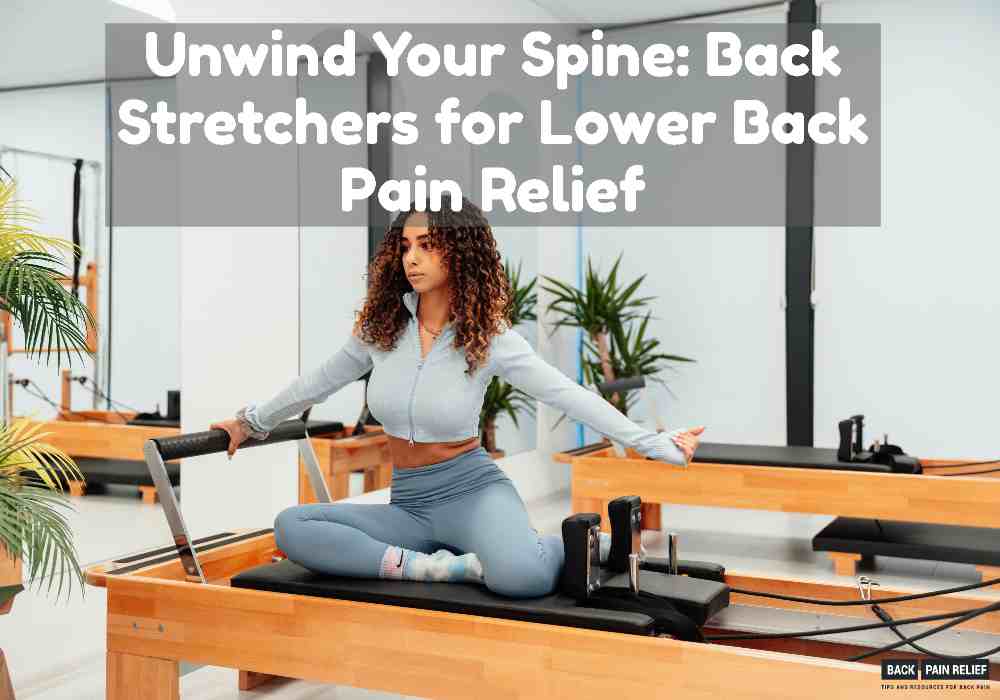
Most people who wish to alleviate backache use self-care techniques and tools that foster spinal health. Among the tools used, one such common tool is a “back stretcher for lower back pain relief.” These are specifically designed to give gentle stretching and decompression of the spine, relieving pressure from the nerves and improving overall flexibility.
Knowing this place within a more global strategy of pain prevention can restore the mobility of the sufferer of back discomfort toward healthy living.
Back Pain Relief Through Common Sense Steps
Specialized equipment, like back stretchers, exists for alleviating the pain, but it is crucial to integrate such tools into common-sense management techniques. First and foremost, good posture is the be-all and end-all of maintaining good spinal health.
Sitting in a desk or waiting in line-one must always be aware of the body positioning. A neutral spine position puts a minimum quantity of strain; thus, reducing the risk of possible injury/discomfort.
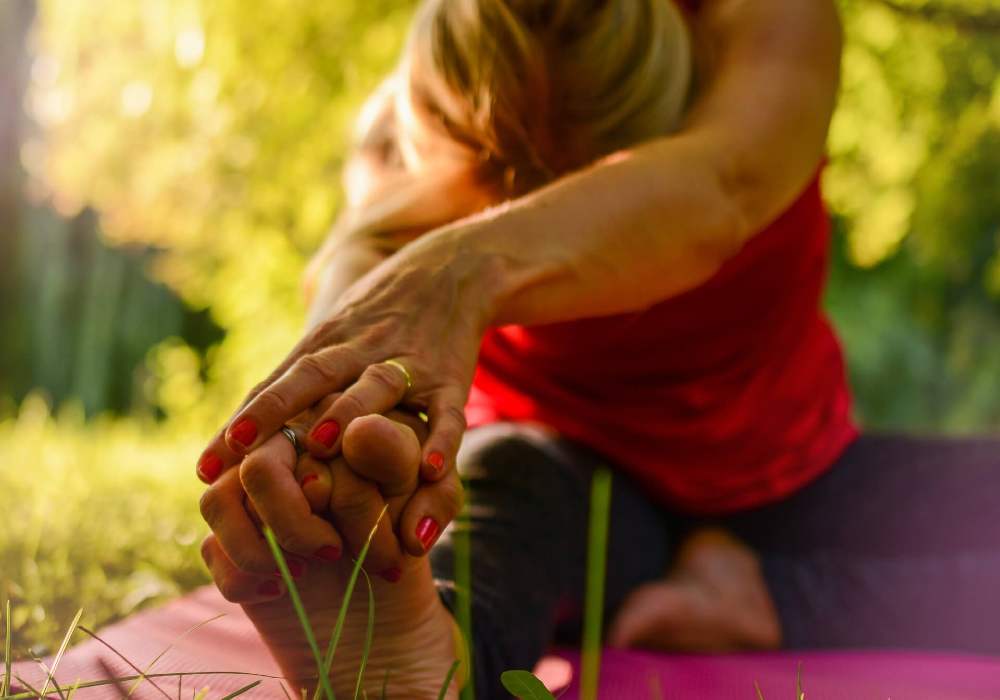
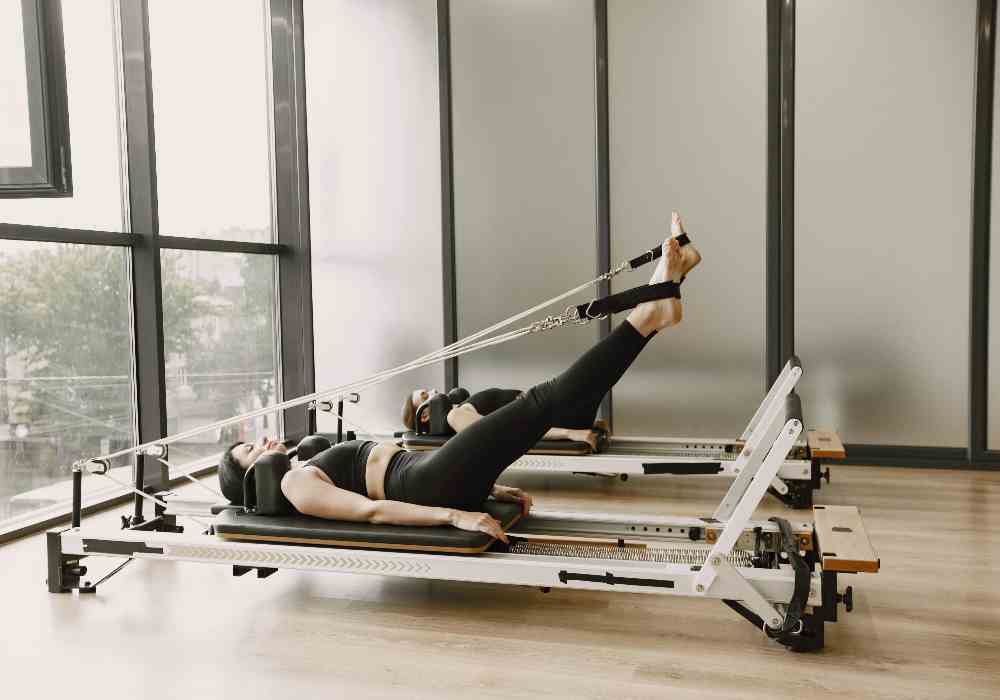
Engaging in regular exercise can also help to ease low back pain. Low-impact activities such as walking, swimming, or biking will help continue to condition your core muscles and improve your flexibility. You should also look to exercises that focus on the lower back and core, such as Pilates and yoga. Consistent movement keeps not only your muscles limber but ensures that your spinal structure remains well-aligned, key in avoiding and preventing pain.
Along with keeping active, managing your level of stress is equally crucial. The cases of stress may include states that could be adverse to your body and cause tension of muscles in the back. Practicing techniques of reducing stress like deep breathing, meditation, or progressive relaxation can be helpful in maintaining overall well-being on track.
By reducing your levels of stress, you will combat one cause of back pain while creating a more holistic approach to managing your discomfort.
Learning from Medical Findings on Treatment of Back Pain
There have been new medical findings that have enlightened the effective approach to managing lower back pain. One source, pointed out that several physical intervention methods demonstrated their usefulness, among which are the back stretchers. The information shows that those who are using the stretchers on a daily basis reported an enormous improvement in the degree of relief from back pain and substantial improvements in functional mobility. Of course, the information is mixed, as some individuals did not experience overall improvement. Then again, this can only lead us to believe that the final incorporation of these tools in a more holistic, comprehensive treatment may help improve results (Clinic, 2021).
Moreover, medical experts recommend that people suffering from lower back pain should go through multidisciplinary therapy. This may also mean physical therapy, chiropractic care, acupuncture, or even behavioral therapy, whichever a patient needs. Indeed, it is evidenced that those who pursue a multimodal course of treatment tend to achieve relief that is more in magnitude and duration compared to those relying on just one approach: medication and isolated methods of therapy (Gauthier et al., 2019).
It would be important to see the doctor before using any new treatment program, especially if the pain is persistent or worse. Through this, a personalized plan will be made, and strategic use of back stretchers for relief against lower back pain ascertained. Besides adding this, staying abreast of the latest medical discoveries can enable a person to make informed decisions concerning their health.
Conclusion: Take Responsibility for Your Back Health
This includes summarizing that lower back pain requires an integrated approach in the line of treatment, comprising physical techniques, self-care, and insight provided by medical science. One of a host of useful tools to address this malady is the back stretcher for lower back pain relief. Better spinal health could be encouraged by the individual through proper posture practices, exercises, and stress management strategies.
Not less important is that ongoing research, which is aimed at the efficacy of various treatments, grows the circle of possibilities. Most people succeed in overcoming back pain and recovering a good quality of life by using the right mix of strategies. Remember, taking responsibility for your back health is achievable through awareness, education, and proactive measures.
Invest in a back stretcher to incorporate into your routine in your journey toward leading a pain-free life. A holistic approach will work wonders for back pain management-your back will be eternally grateful!
References
Clinic, C. (2021, March 2). Can Inversion Tables Really Relieve Back Pain? Cleveland Clinic. https://health.clevelandclinic.org/can-inversion-tables-really-relieve-back-pain
Gauthier, K., Dulong, C., & Argáez, C. (2019). Multidisciplinary Treatment Programs for Patients with Chronic Non-Malignant Pain: A Review of Clinical Effectiveness, Cost-Effectiveness, and Guidelines – An Update. In PubMed. Canadian Agency for Drugs and Technologies in Health. https://www.ncbi.nlm.nih.gov/books/NBK545496/