
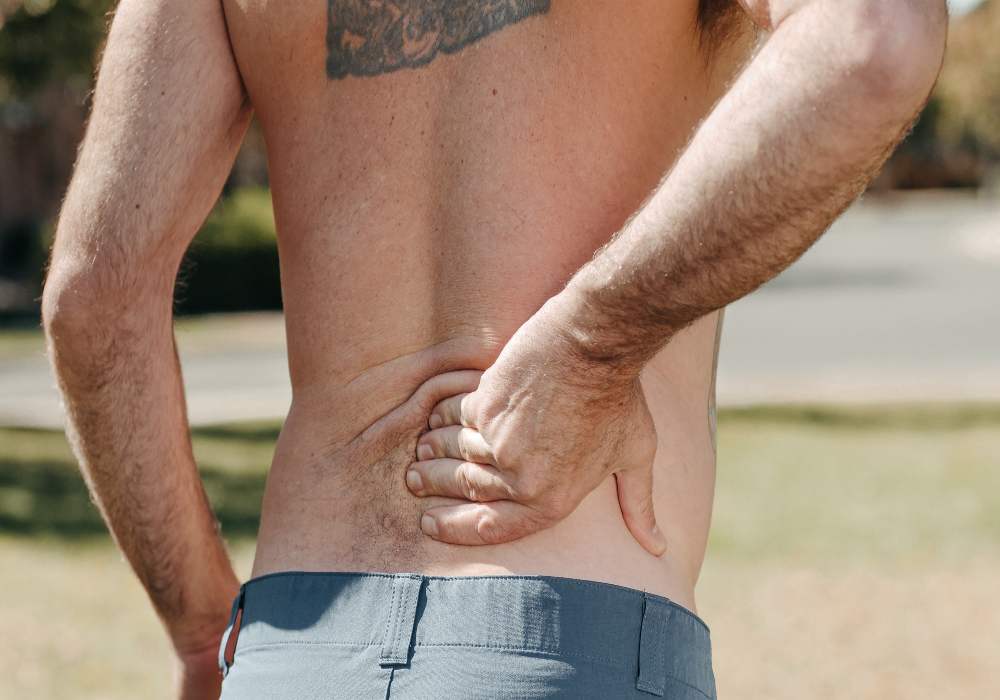
Lower back pain or back pain in general is not only one of the most common reasons individuals call out sick from work or make an appointment with their primary care physician, but it is also one of the most common reasons people become disabled in the United States. You are in luck since there are actions you can do to ease or avoid the majority of instances of back pain.
It goes without saying that if you are feeling any type of pain or discomfort, you should seek immediate medical assistance; nevertheless, the more you know about back pain and how to prevent it, the better off you will be. You’ll discover seven useful ideas at the bottom of this article that can make a major difference in how quickly, successfully, and safely you deal with your back pain.
Try to avoid lifting anything too heavy. Improperly lifting large things is one of the primary causes of back strains and muscular strains. Although a great number of individuals do practice repetitions with weights on a regular basis, the vast majority of people just do not use their backs in the proper manner when lifting. When lifting, it is imperative that you always employ the correct form and move slowly and deliberately.
Incorrect workout technique is another common contributing factor. It’s possible that a combination of improper form and overuse of a certain muscle led to this issue. For instance, when someone is attempting to bench press, they will often grab the bar with the hand that they use most frequently. Because of this, the side of the body that does not have a firm grasp has to work harder than the other side, which puts strain on that side of the body.
When subjected to repeated tension or damage, muscles and tendons eventually get weary. If a person is unable to relax, they will experience gradual physical degeneration. The muscle that has become weaker will not be able to lift big items as effectively, which will result in an increased risk of injury. Because of the increased strain, the surrounding tissues are subjected to a larger amount of pressure, which raises the likelihood that more tissue damage may occur.
Ibuprofen and naproxen are examples of anti-inflammatory drugs that might help reduce pain and inflammation in the places that are now experiencing inflammation. However, continued usage may lead to long-term difficulties by stimulating the growth of bacteria and other things that irritate the joints. This may happen if the medication is used for an extended period of time. Some medications, such as steroids, that are used for the treatment of inflammatory diseases are also known to raise the patient’s chance of developing cardiovascular disease as well as some malignancies. As a result, it is essential to have a discussion with your primary care physician about alternative therapies that might help alleviate the inflammation or discomfort.
While you are working to improve your muscular strength and alleviate the discomfort you are experiencing, it is important that you remember to take care of yourself by maintaining a nutritious diet, getting plenty of rest, engaging in regular exercise, and giving up smoking. Regularly engaging in strengthening exercise might be useful, provided that the exercise is performed correctly. You need to perform certain workouts that concentrate on the specific muscle group or location that is giving you trouble and creating the discomfort.
Do not overexert yourself or conduct workouts that can create additional pressure to your back. Instead, focus on maintaining a healthy weight. Stretching exercises are also beneficial since they enable you to become more flexible and, as a result, reduce the likelihood that you will experience an injury.
If you aren’t addressing the physical injury itself, you should probably think about scheduling an appointment with a doctor to discuss the possibility of spinal damage or other possible medical explanations. To alleviate the discomfort caused by a lumbar strain, your primary care physician may recommend that you use pain relievers, such as acetaminophen. In addition, anti-inflammatory drugs and nonsteroidal anti-inflammatory drugs (NSAIDs) might be used to treat the symptoms. In more severe situations, surgery can be required to help restore normal function and relieve the patient’s suffering.