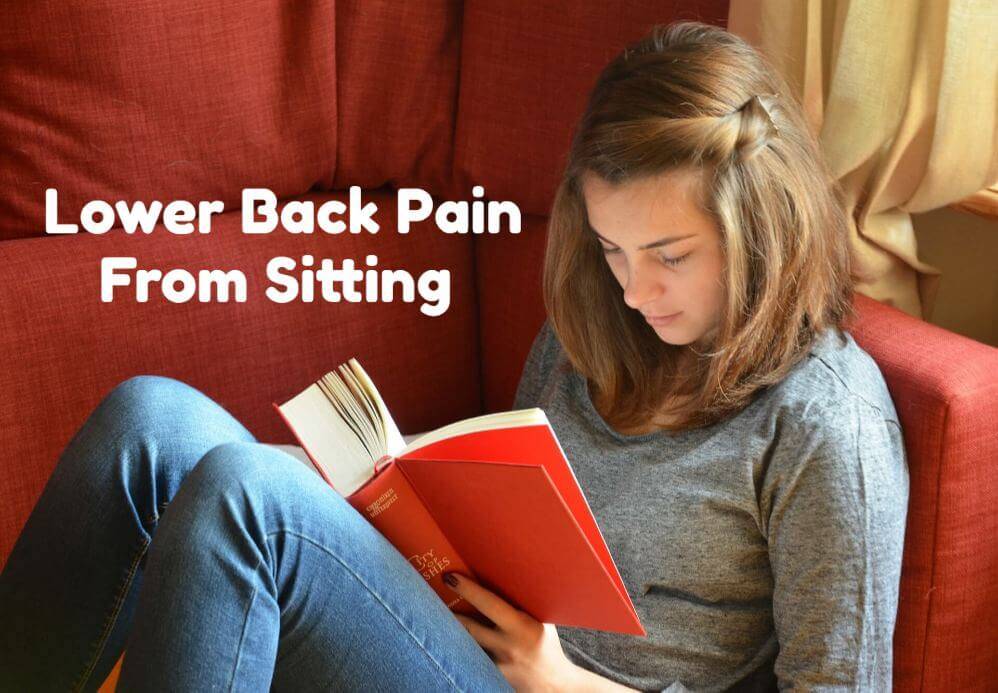

Backaches can be extremely disabling and exhausting. Moderate rest can help, though bed rest should never be prescribed as the only remedy.
Exercise can help relieve back pain and strengthen muscles. Walking, swimming, yoga and tai chi are excellent exercises that can relieve lower back discomfort and strengthen muscles at the same time. Heat can also provide additional relief.
Stretches
Stretching may not always help alleviate back pain, but it can certainly reduce tension and provide some immediate relief. Regular back and hip stretches may also reduce your likelihood of experiencing back discomfort.
At home, there are various stretches you can perform to the lower back and hips to relieve tension and relieve symptoms of lower back and hip issues. Simply lie on your back, extend one leg in the air until you feel a stretch in either your hip or buttock area, bring in the other leg, hug it to your chest then switch legs. Hold this pose for several seconds then switch back.
Sitting in a chair with bent knees and the soles of both feet touching can provide a great lower back and hip stretch, too. Lean forward slowly until you feel an stretch in both hips and spine – hold this position briefly before exhaling slowly – for maximum effectiveness in stretching both back and hips while strengthening core. This exercise stretches both areas simultaneously!
This final stretch, known as Thomas pose, can help improve hip flexor mobility and spinal flexibility for those experiencing lower back pain. It’s quick and simple to do at home – no equipment necessary! Simply lie on the floor while bending both knees up towards your chest with hands supporting them behind. Lean forward until feeling the stretch in both your lower back and hips before holding this position for several seconds on one side before switching directions and repeating on both sides.
Consult with your physician prior to beginning any new exercise program; however, these stretches should be suitable for most adults and can be performed either at home or during fitness class. However, please be mindful when performing stretches so as to not injure yourself.
Exercises
Exercise is one of the cornerstones of healing back pain. Gentle movements can help alleviate tension and build strength in muscles. A physical therapist can create an individualized plan tailored specifically to you; initial exercises may cause some pain; this should diminish quickly as your body adjusts to moving in new ways.
High impact exercises such as jogging and golf can put unnecessary stress on the spine and worsen pain. Instead, try water aerobics and yoga; swimming’s buoyancy relieves pressure from being applied directly onto the spine, while yoga focuses on posture alignment and relaxation.
Stretching is another essential component of maintaining a healthy back. Supple, well-stretched muscles are less vulnerable to injury. If stretching is new to you, start off slowly by stretching for short durations (3-5 seconds at first) until eventually progressing up to 30-second stretches without bouncing, as bouncing may result in tissue injury.
Herniated discs are one of the leading causes of lower back and hip pain, often stemming from protrusion from between vertebrae. A herniated disc occurs when it protrudes from its space between vertebrae, pushing on nerves running down from behind legs into buttocks – this pain is commonly known as sciatic pain and may feel sharp, burning or tingling, with accompanying muscle spasms.
The cobra pose can help people with back injuries increase spinal mobility while stretching hip flexor, chest, and shoulder muscles. To perform it effectively, lie on a floor, bend your knees slightly, put feet flat on ground then inhale as you bring both knees together until they touch for several seconds before moving them apart again – repeat 10-12 times for best results.
Correct Posture
Good posture goes far beyond simply looking like you’re standing up straight. It plays an essential role in keeping the many intricate structures within your back and spine healthy, relieving pain and preventing injury.
Few simple steps can help improve your posture and alleviate hip pain. Begin by sitting against a wall with back against wall and having someone measure the distance from neck to small of back; aim for less than 2 inches here. Also aim to have an even thoracic curve and lumbar curve with shoulders down, arms hanging loosely at sides, shoulders down position; any deviation could result in uneven wear on joints leading to hip pain and injury over time.
Although a bad posture may contribute to pain or injury, this rarely stands alone as the source. Instead, other factors typically play a greater role than this alone – poor walking mechanics or shock to spine or hip can all play a part in creating discomfort in our bodies.
Exercise to strengthen your support muscles. Simple stretches like the reclining hand-to-big toe pose can help ease tightness in the back, ankles, calves and hamstrings that contribute to lower back pain.
Happy Baby Pose can also provide stretching and posture relief: lie on a mat or bed and bring both knees up toward your chest for 8 to 10 seconds at a time, holding for eight to ten seconds each time before repeating three times per day to provide hip and shoulder relief as well as stretch the adductor and piriformis muscles found within inner thighs that may contribute to tight lower back muscles.
Heat Therapy
Heat therapy can be an excellent way to soothe sore, stiff, or aching muscles. Muscles tend to respond well when experiencing discomfort from overexertion, trigger points (knots), spasms, cramps (including menstrual pain ) or bad posture – all factors which tend to respond positively with heat therapy.
Heating may actually make conditions worse; for instance, heating up injured back muscles will likely increase inflammation and pain more. Furthermore, warming reddened or inflamed tissue could damage tissues and nerves.
For mild to moderate pain, a simple hot water bottle or microwaveable gel pack should help ease discomfort. However, for severe discomfort try using an electric wrap with low-level continuous heat – these are available at drugstores and should be worn overnight while sleeping – please read and follow all instructions to prevent burns!
Reusable heat packs made of wheat, rice or other materials that are safe to put into the microwave can also provide relief, or you could create your own heating pack by sewing up an old sock and filling it with grains like rice. Just be sure to let it cool off first before re-heating for safety and comfort purposes – or consider taking hot showers or baths instead! Having both cold and heat treatments ready means you can use either when necessary.
Plenty of Sleep
Sleep is essential to living a healthy life, yet back pain can prevent people from restful slumber. In fact, recent research shows that nearly eight out of ten people with back pain report some form of disruption in their restful slumber1.1
There are a few steps you can take to promote better sleep and decrease back pain. First, strive to stick to a consistent bedtime/wakeup schedule; most adults require approximately 7-9 hours of uninterrupted rest each night. If your back pain keeps getting in the way of this goal, talk with your physician about possible treatment solutions.
Your mattress and sleeping position can make a dramatic impactful on back and hip pain. A too soft mattress may cause your lower back to sink too much into it, leading to misalignment of spine alignment which leads to pain points and stress points.
If you prefer sleeping on your side, try placing a pillow between your knees to reduce back strain and improve spinal alignment. For stomach sleepers, add another pillow under your stomach and pelvis in order to support the natural curve of the spine.
Lie down on your back to experience relief if lying flat is aggravating it; otherwise it could be related to more serious spine conditions, like spondylolisthesis. Speak with your physician and try sleeping at an incline by using pillows or getting a motorized bed with recline functionality – sleeping flat may just aggravate it further!