
Understanding Back Pain and the Importance of Exercise

Neck and back pain is a prevalent problem that many people all over the world experience, triggering considerable pain and restrictions. This condition can arise from different reasons, consisting of an inactive way of life, incorrect body placing, and injuries, among other aspects. Such a condition may interfere with one’s daily life and substantially lower his/her quality of life. Fortunately, specific exercises to help get rid of back pain not only bring quick relief but also strengthen those muscles of the back that support the spine, thus reducing the possibility of any further distress (“Low Back Pain: Why Movement Is so Important for Back Pain,” 2019).
The Place of Exercise in Management of Back Pain
The following five workouts are selected to help alleviate back pain in adults and make them stronger. They would enhance flexibility, ensure good posture, and muscle stability that together would help in managing or preventing back problems. Whatever be the fitness level of the individual-from an advanced athlete to a novice-each of these exercises can be modified according to one’s needs (Information et al., 2019) .
Increasing Flexibility through Targeted Stretches

Gaining flexibility and easing back pain can be achieved by incorporating light stretches into a daily routine. Engaging in stretching can increase flow and minimize muscle tightness that might lead to discomfort. Basic stretches such as seated forward flexes and gentle twists are effective in loosening tight muscles, enhancing flexibility, and expanding your series of movement. The practice of such stretches is best done consistently, especially when sitting for very long or after strenuous activities.
While stretching, one must listen to his body. It means not striving or forcing oneself toward limits but being comfortable and improving the flexibility gradually as one gets confident. This is a kind of awareness that limits the chances of injury and helps in keeping your overall physique in good shape. Gentle stretches you lay into your routine build a very good foundation for subsequent exercises aimed at strengthening the back, which are fine for balance, strength, and relief in the long run.
Building Core Strength for Structural Support

You need a solid core in order for your back to work properly during everyday life. The strong muscles included in the core are the abdominals, obliques, and muscles of the lower back, which offer stability to the spine. This group requires particular exercises targeting the core muscle group as a focus on stability and endurance is involved. Planks, bridges, and bird-dogs are several of many kinds of exercises that promote better core strength, posture, and balance.
These exercises should be done with proper form for the most effectiveness and least chance of injury. That is, controlled movements and a gradual increase in intensity or duration. The time devoted to developing core strength is not only a step toward greater physical capacity but also one toward creating a barrier against back pain for easier and more comfortable completion of everyday tasks.
Releasing Tension with Focused Movement

Targeted movements included in a work-out can actively release tension from the back. Paying attention to stretches and exercises that work specific areas can yield flexibility and better relaxation. Exercises like twists or side bends in a gentle manner may help to let go of stored stress, while stretching to extend and flex the spine recaptures its alignment. These exercises relieve discomfort and increase blood flow to the concerned areas, thus speeding up the recovery process and ensuring better mobility.
Mindfulness can be a great addition to your physical practice. By being more aware of your body and how it responds to each stretch or exercise, you are in a position to make modifications accordingly. Becoming more attuned to your body’s signals promotes increased ability to make such modifications in targeting particular tension zones. This amalgamation-targeted exercise with the engagement of mindfulness-can remarkably enhance back health by keeping you active and involved in your daily life (Sodeman, 2020).
Exercises that are suggested to reduce neck and back pain
The Cat-Cow Stretch: This is a useful exercise that assists to stretch and increase the versatility of the spine, while likewise relieving any tightness.

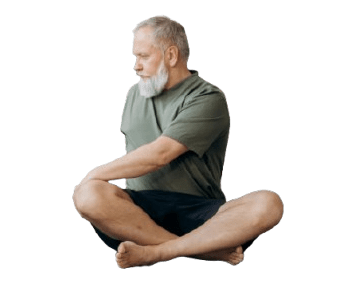
Seated Spinal Twist: This exercise increases mobility while reducing discomfort.
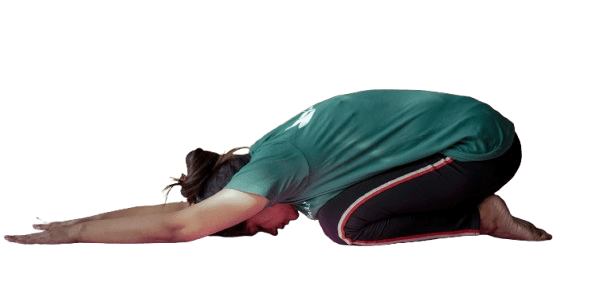
Child’s Pose: This is a gentle stretch targeting the lower back.
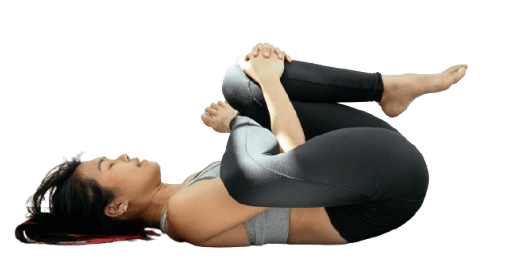
The knee-to-chest stretch: This helps to alleviate tension in the lower back.
Standing Forward Bend: The position relieves tension off the back.

Improving Posture to Decrease Strain
Good alignment with sitting, standing, and movement reduces the strain in one’s back. By actively participating in engaging the core and relaxing shoulders, you provide a supportive base that evenly distributes body weight, hence taking pressure off the spine. This will go a long way in reducing strain on your back. Investing in ergonomic furniture or using a lumbar support cushion can further improve your posture and overall comfort throughout the day.
Incorporating exercises specifically designed to strengthen core and back muscles will go a long way toward underpinning any benefits derived from improved posture. A strong back is less prone to pain, and therefore good posture comes about more naturally and easily. Simple routine exercises that focus on core stabilization reinforce proper alignment and minimize instances of slouching or straining during various activities. Over time, such adjustments lead to a more resilient and pain-free back, facilitating ease in daily activities with confidence.
Building a Pattern for Regularity in Back Health
Consistency in regular exercises for back pain, either as part of the morning or during breaks, is highly recommended to build strength and flexibility effectively. Think about setting aside specific time each day for these exercises, so that after some time, you get into the groove until it naturally comes with ease. Whenever possible, consistency is key; the more often you practice regularly, the more benefit you will derive from it, and the less likely it is that back pain will return.
Visualize a deluge of mindfulness with daily activities. During small breaks, simple stretches or mobility exercises can be done to reconnect to one’s body and release tension. This will not only help your back but also reset your mind. As you build this habit, improvement in your posture and comfort will come forward and allow doing regular activities with confidence and ease.
Conclusion
Adding these five exercises to your daily regimen can make quite a difference in strengthening one’s back and relieving discomfort. Always be in tune with your body and progress at a pace that feels comfortable, increasing the intensity as your body gets more accustomed to the movements. Consistency is the key; try to practice as often as possible. In prioritizing back health, you are investing in your overall health and quality of life. Begin today, and enjoy the lasting dividends of a much stronger and more resilient back.
References
Information, N. C. for B., Pike, U. S. N. L. of M. 8600 R., MD, B., & Usa, 20894. (2019). Can exercise prevent recurrent low back pain? In www.ncbi.nlm.nih.gov. Institute for Quality and Efficiency in Health Care (IQWiG). https://www.ncbi.nlm.nih.gov/books/NBK284937/
Low back pain: Why movement is so important for back pain. (2019). In www.ncbi.nlm.nih.gov. Institute for Quality and Efficiency in Health Care (IQWiG). https://www.ncbi.nlm.nih.gov/books/NBK284944/
Sodeman, L. (2020, September 25). Use mindfulness to cope with chronic pain. Www.mayoclinichealthsystem.org. https://www.mayoclinichealthsystem.org/hometown-health/speaking-of-health/use-mindfulness-to-cope-with-chronic-pain