
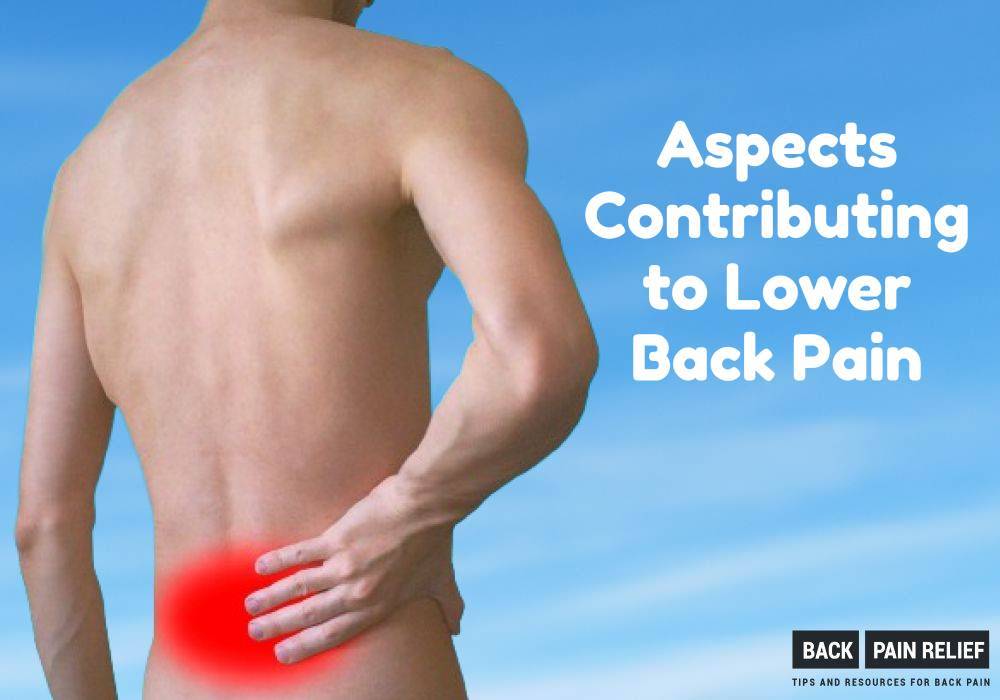
Daily activities and sleep can be impeded by back pain, which can disrupt both day-to-day jobs and sleep patterns. If you experience feeling numb, weak point, or a loss of bladder/bowel control together with the pain, it is suggested to immediately look for medical attention from your physician.
As individuals age, the spine discs that serve as cushions in between the bones of the spinal column tend to degrade, causing increased back pain. Furthermore, bring excess weight can put additional pressure on these discs and joints, even more worsening the pain.
Spine Disc Deterioration Disorder
Over a time period, the spongy disks that supply cushioning in between each bone in your spinal column can end up being dehydrated and reduce in size. This can lead to lowered stability of your spinal column and trigger pain and decreased strength in particular parts of your back, particularly the lower back (lumbar region). The impacted disks in this area might likewise trigger pain to radiate into your hips or down into your legs and feet, referred to as sciatica.
Contraction arising from swelling triggered by scrubby discs can lead to muscle spasms. Medications created to unwind muscles can be advantageous in reducing these convulsions and improving motion.
The doctor will carry out an extensive evaluation of your spine, inquiring about any previous circumstances of back pain, assessing the level to which you can move and the strength of your muscles by using pressure to different parts of your body, and screening your reaction to temperature level modifications through making use of hot or cold therapy.
Back Misalignment
As time passes, the area of your spinal column called the back location might go through changes that result in pain and possibly develop extra issues.
An example of a medical condition is spondylolisthesis, which takes place when one or numerous bones in the lower back shift forward onto a surrounding bone.
Spine nerve compression can trigger pain and pain in the back, in addition to radiating pain down the legs, and is more typical in individuals aged 50 and older.
X-rays and different other tests are used as diagnostic tools, while the treatment generally includes rest, exercise, and physiotherapy. Surgical treatment might be required in particular cases, however your expert will produce a tailored strategy that is particularly developed for you.
Scoliosis
When your spinal column flexes to the side, it is called scoliosis. A physical exam and making use of x-rays or an MRI scan can assist your physician recognize scoliosis. Nevertheless, most of the times of moderate to moderate scoliosis, back pain is not a typical sign. Rather, people might experience leg pins and needles or weak point as prospective indications.
People with scoliosis can considerably gain from back blend. A spinal column cosmetic surgeon will combine the vertebrae in the lower back utilizing screws or implants, successfully remedying the curved shape of the spinal column and reducing associated symptoms such as butt pain or cauda equina syndrome. Furthermore, this surgery has the prospective to prevent future issues from occurring.
Herniated Disc
Back pain can be brought on by a range of aspects, consisting of muscle spasms and herniated discs. Herniated discs take place when the soft, gel-like center of a vertebra breaks through a fracture or opening and presses on neighboring nerves or spine tissue, causing pain, feeling numb, weak point, and often loss of control over bladder or bowel function. Muscle weak point can likewise add to back pain, making it a more complicated and difficult condition to address.
Generally, an initial health examination and evaluation of symptoms suffice to develop the existence of a herniated disc, although your medical professional may ask for imaging treatments such as X-rays, CT scans, or MRI scans of your spinal column. These tests will supply a graph of both the bones and the soft tissues in your spinal column.
Narrowed Spine Canal
Spine stenosis frequently triggers pain in the lower back, as it takes place when the location in between the vertebrae which contains the back nerves ends up being narrower as time passes. This condition can be activated by different elements, such as arthritis, herniated disks, or Paget’s illness, to name a few.
People with spinal stenosis might experience a radiating back pain that extends down one or both legs, in addition to weak point, feeling numb, or chronic pain in the limbs. This pain can continue and aggravate in time, causing a development of symptoms.
The management of symptoms might include a mix of physical therapy and medications such as Acetaminophen, NSAIDs, and Gabapentin or Pregabalin. These medications can assist obstruct pain receptors in the nerve system, offering remedy for pain. In many cases, surgical treatment might be needed to minimize pressure on spine nerves or the spine, which can help in reducing pain and pain.
Stress
Chronic stress can have an extensive effect on your total wellness, and when it continues, it can result in a host of health concerns, consisting of back pain. Extended stress can likewise impact your state of mind, producing a vicious circle where reduced exercise results in increased muscle stress, intensifying symptoms and triggering a lot more pain.
In order to stay devoid of pain, it is essential to take part in routine exercise. Activities such as walking, biking, swimming, and practicing yoga can boost your muscles and increase your versatility, supplying remedy for backache. When raising things, it is essential to utilize appropriate method by placing your feet large apart for ideal stability and flexing from your knees instead of your waist.