

Stretching as a Factor in Lower Back Pain
Lower back pain is a sneaky problem; this is a fact that hundreds of millions of people in the world have to grudgingly attest to. Discomfort emanates from various causative agents, which include muscle strain, poor posture, or even degenerative disc disease. Whatever the etiology, the ripple effect on daily life can be enormous, significantly limiting physical activities and the general lifestyle.
Considering the above, back-stretching exercises for lower back pain become a very potent solution-not just in terms of relieving discomfort but also in creating long-term health benefits.
Stretching is an active strategy for coping with lower back pain. The typical perception with regard to stretching is that this is a few moments taken to lengthen the muscles before or after a workout. The brief practice of back stretching does not just alleviate pain but also facilitates flexibility.
This understanding has been consistently proven by medical evidence because it shows that frequent stretching can improve muscle elasticity, increase range of motion, and reduce injury incidents. Back stretching you practice every day will make your lower back more resistant to the forces causing pain.
Besides that, stretching is good to balance tightness and stiffness produced by long sitting or inactivity. Understandably, most people take an interest in their back when they are distressed. Knowing that regular stretching can prepare a person’s body for daily tasks is one such thing that keeps lower back pain from finding its root in routine life.
Now, let’s go through some practical exercises with regards to back-stretching as that shall make a difference.
Essential Back Stretching Exercises
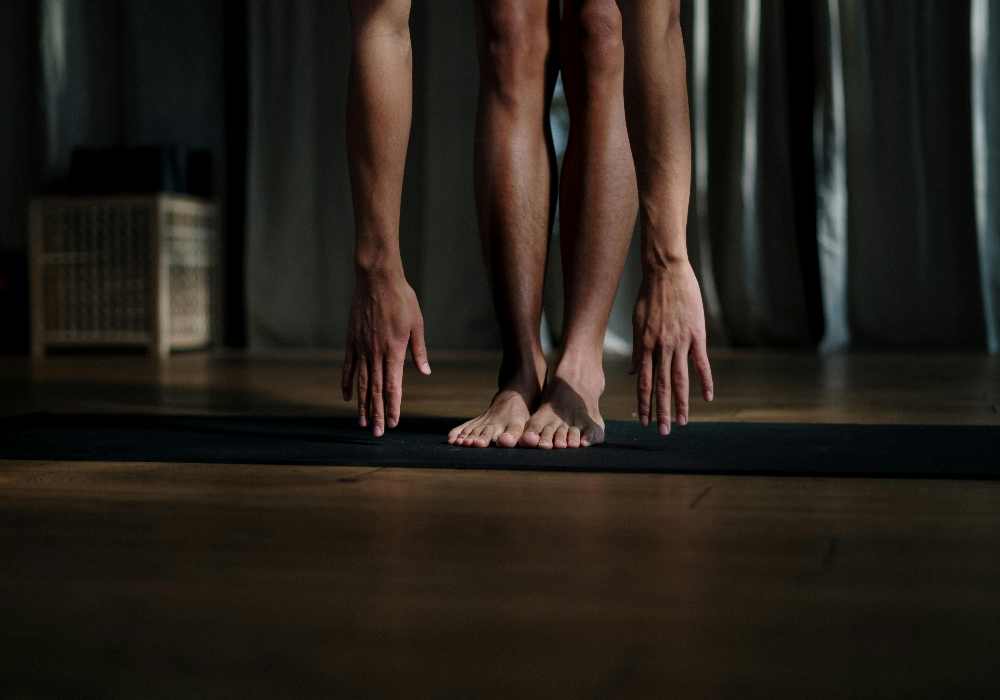
Adding back-stretching exercises for lower back pain into your routine can be effortless and effective. Here are some of the more important exercises that deal with releasing muscle tension.
1. Cat-Cow Stretch
The Cat-Cow stretch is a gentle, flowing movement between two positions to warm up the spine. Drape yourself onto your hands and knees in tabletop position. As you inhale, arch your back, letting your belly drop toward the ground. Lift your head and tailbone toward the ceiling. This is the Cow position. Round into your spine, exhaling and tucking your chin toward your chest, drawing your belly toward your spine. This is the Cat position. Continue in a flowing motion between these two positions for 5-10 breaths, letting the back loosen.
This stretch feels good, and it also serves to maintain flexibility. Dynamic movements, according to the National Institutes of Health, such as the Cat-Cow, improve spinal mobility. The same logic applies to those with chronic lower back pain because keeping the spine mobile aids in healing and releases built-up tension.
2. Child’s Pose
Child’s Pose is a restorative stretch that lengthens the spine and relaxes the back muscles. Kneel on the floor, then sit back onto your heels. Lengthen your torso between your legs as you reach your arms out in front of you, release, and fall deeply into the pose. Maintain for at least 30 seconds while taking deep breaths, allowing each to settle into your back in a released way.
Research has documented the efficacy of restorative stretches for muscle recuperation. Flexibility further translates to ease of movements, hence making daily physical activities more manageable (Walker, 2019). Besides alleviating pain in the lower back, regular Child’s Pose can contribute to long-term mental and physical health through relaxation.
Common-Sense Steps to Relieve Back Pain

Other than stretching, some common-sense practices will go a long way in ensuring you mitigate lower back pain. While stretching would be a temporary relief, these strategies will make for sustained improvement in the health of your back.
1. Maintain Good Posture
Posture is the most basic building block of spinal health. Slouching, whether it be in sitting or standing, helps develop stiffness and pain. When you sit, remember to have your feet level with the floor, knees at a right angle to your body, and your back straight. If you do have to work for long hours at the desk, ergonomic tools such as posture-supportive chairs may help you.
Additionally, being aware of your posture while walking can save you from putting unnecessary strain on your muscles. Good posture involves using core muscles that support and stabilize the lower back. Research underlines that maintaining awareness of body mechanics promotes great spinal alignment and significantly reduces back pain (admin-ivy, 2017).
2. Stay Active
Regular exercise keeps the lower back healthy. The low-impact exercises like swimming, walking, or cycling would mean strength to the surrounding muscles and also increase overall flexibility. Adding in some core-strengthening exercises, such as planks and bridges, further bolsters support for the lower back.
Medical evidence supports the hypothesis of physical activity reducing chronic lower back pain. The American College of Physicians advocates for non-pharmacologic treatment options, such as exercise, as first-line therapy for lower back pain. By incorporating regular motion with back stretching exercises, individuals can set a good foundation in which to prevent any impending pain (Hauk, 2017).
Conclusion: Creating a Pain-Free Lifestyle
By adding back-stretching exercises for lower back pain and acquiring a bit of common sense, you come out with the elements that can ensure overall well-being. Remember, your body understands gentle, consistent movements, complemented with correct posture. Make an attempt to strike a balance between stretching your body, exercising effectively, and living mindfully, and you can build up long-term rewards for yourself, becoming free to live life without that nagging lower back pain.
Should your pain persist or worsen, seek consultation from a health professional. They will offer specific advice according to the prevailing circumstances and ensure that the style of stretching and maintaining good back health is affected safely and efficiently. In this way, it cultivates an aspect of knowledge about one’s body and its respective reactions to different moves, hence making them in control of their lives.
References
admin-ivy. (2017, August 31). Body Mechanics: 5 Tips to Reduce Back Pain. Ivy Rehab. https://ivyrehab.com/back-pain/body-mechanics-5-tips-to-reduce-back-pain/
Hauk, L. (2017). Low Back Pain: American College of Physicians Practice Guideline on Noninvasive Treatments. American Family Physician, 96(6), 407–408. https://www.aafp.org/pubs/afp/issues/2017/0915/p407.html
Walker, O. (2019, April 3). Post-Exercise Stretching | Science for Sport. Science for Sport. https://www.scienceforsport.com/post-exercise-stretching/